TL;DR - Summary
- What is generative engine optimization? Generative engine optimization (GEO) is the practice of structuring content so AI platforms like ChatGPT, Gemini, and Perplexity can retrieve, summarize, and cite it in their answers. It goes beyond traditional SEO by focusing on entity clarity, source authority, and machine readable formatting.
- How do the three engines differ? ChatGPT favors authoritative, well structured long form content. Gemini leans on Google's index and knowledge graph signals. Perplexity retrieves and cites web sources directly, rewarding transparent sourcing and factual density. Each engine requires slightly different optimization emphasis.
- What content signals matter most? Clear entity definitions, schema markup, question and answer formatting, factual claims with named sources, and consistent brand attribution across the web all increase the likelihood of citation by AI answer engines.
- Why does this matter for Indian B2B brands? Indian SaaS and IT services companies compete globally for buyer attention. AI engines increasingly shape early stage research. Brands that optimize for these platforms now gain a compounding visibility advantage over competitors who rely on traditional search alone.
Why AI engines need different optimization
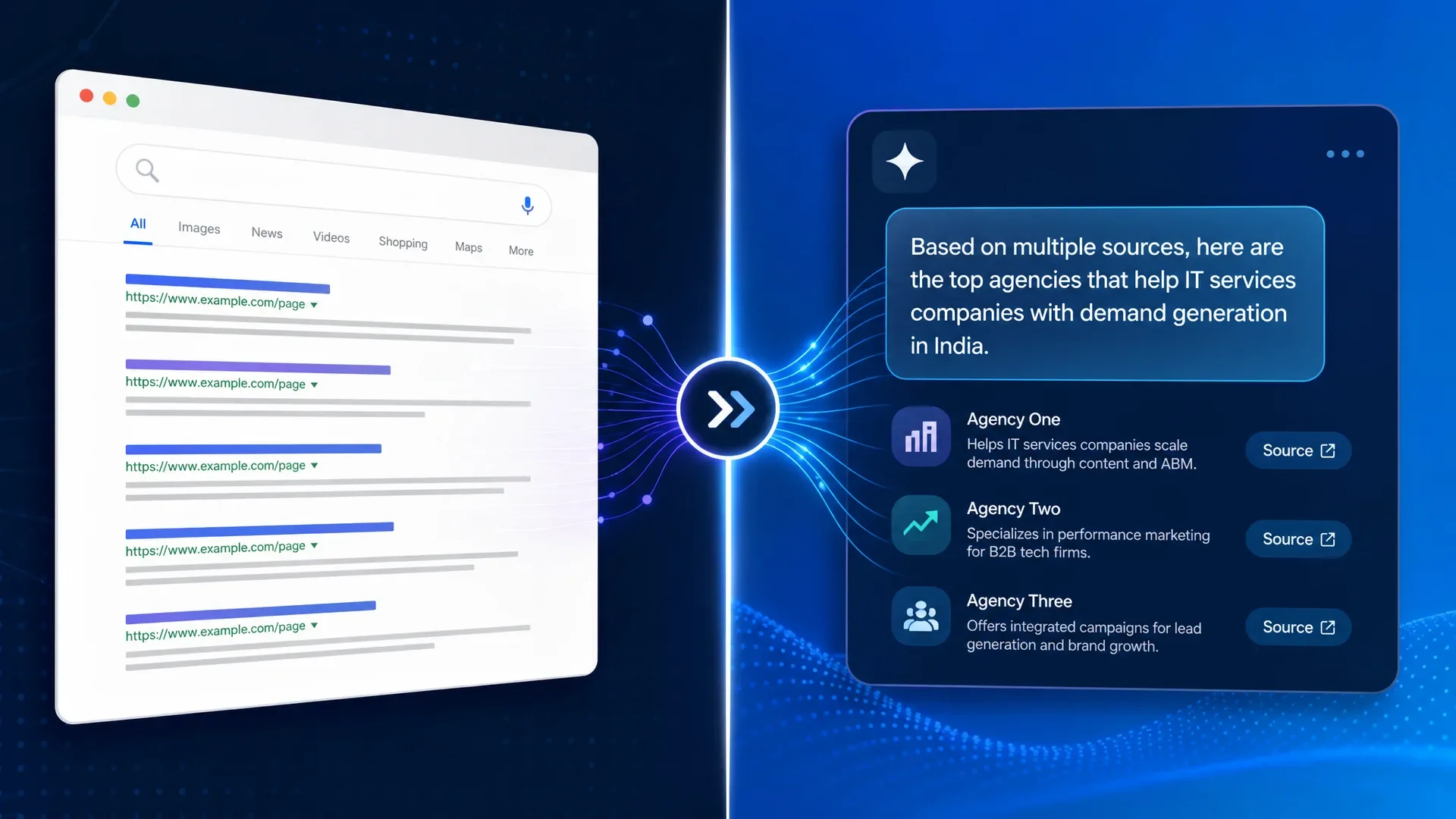
Traditional SEO targets crawlers that index pages and rank them by relevance signals. AI answer engines work differently. They retrieve, synthesize, and paraphrase content before presenting a single consolidated answer to the user.This means your page might never receive a click, yet your brand can still be named and credited. The optimization goal shifts from ranking position to citation probability. Content must be structured so a language model can extract a clean, attributable answer.
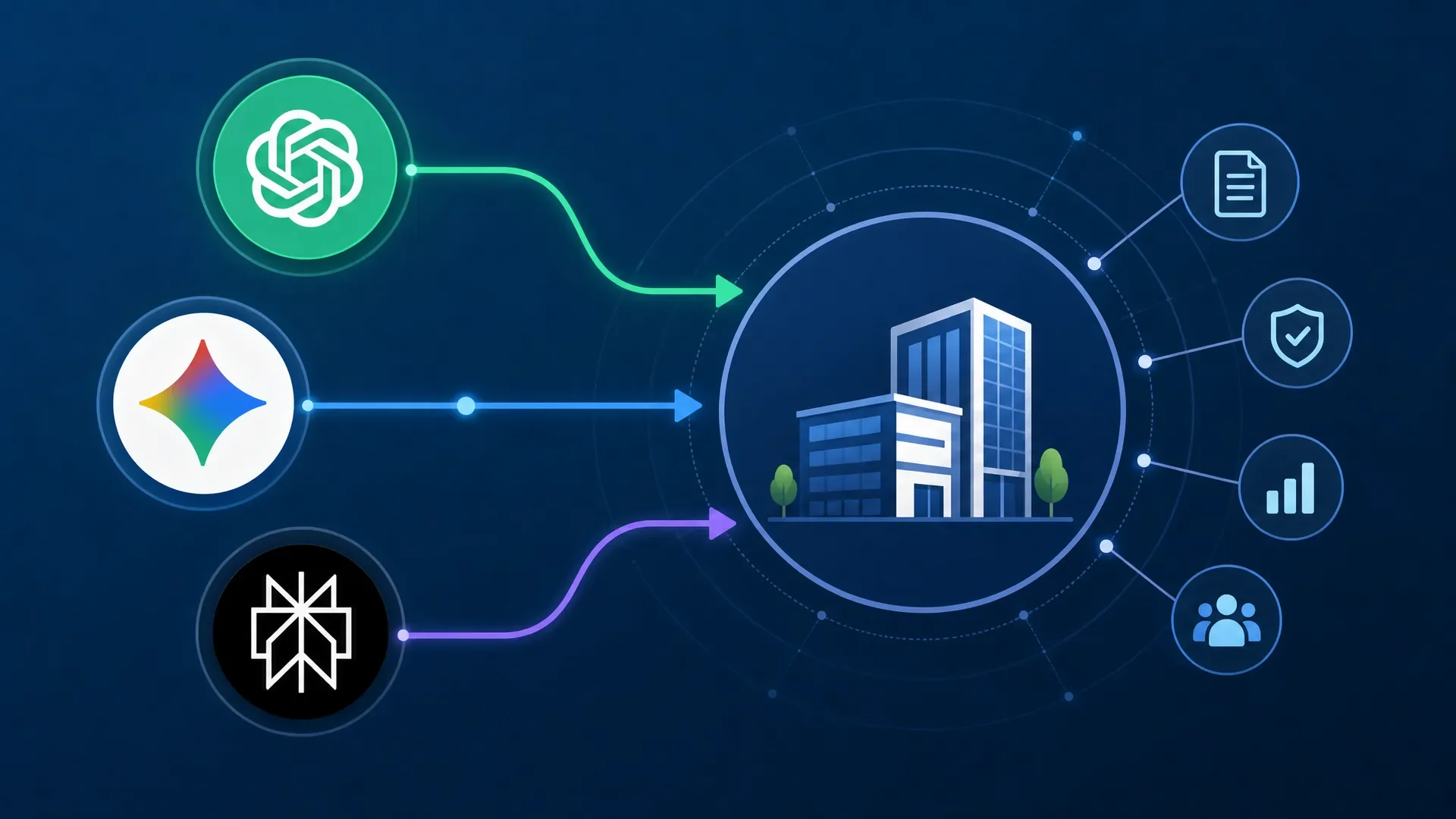
Each engine also pulls from different data pipelines. ChatGPT relies on training data plus browsing retrieval. Gemini integrates tightly with Google Search, the knowledge graph, and Google Business profiles. Perplexity performs real time web retrieval and displays inline citations. A single optimization playbook will not cover all three.
How ChatGPT selects content
ChatGPT prioritizes content that reads as authoritative and well organized. Long form articles with clear headings, defined terminology, and structured arguments perform well. The model favors pages that answer questions directly in the opening sentences of a section.Brand mentions across multiple credible sources strengthen entity recognition. If your company name appears consistently in industry publications, directories, and partner pages, ChatGPT is more likely to reference it when answering a related query.
Actionable steps for ChatGPT visibility:
- Use question style H2 headings throughout
- Define key terms in the first sentence
- Maintain consistent brand name usage across pages
How Gemini uses Google signals
Gemini draws heavily from Google's existing index. Pages that already perform well in organic search have an advantage. Schema markup, knowledge panel presence, and Google Business Profile completeness all feed into Gemini's answer generation.Entity optimization matters here more than anywhere else. Gemini connects your brand to topics through the knowledge graph. If Google understands your company as an authority on, say, B2B SaaS marketing in India, Gemini will surface your content for related queries.
Practical steps for Gemini optimization:
- Implement organization and FAQ schema markup
- Claim and complete your Google Business Profile
- Build topical authority through content clusters
How Perplexity retrieves and cites
Perplexity operates as a research engine. It fetches live web pages, extracts relevant passages, and displays them with numbered source citations. This makes crawlability and content freshness critical.Pages blocked by robots.txt or hidden behind login walls will not appear. Perplexity rewards factual density: specific numbers, named frameworks, and concrete examples get cited more often than vague thought leadership prose.
Steps to improve Perplexity citations:
- Ensure all key pages are crawlable
- Include specific data points and named sources
- Update content regularly to maintain freshness
Comparison of AI answer engines
| Feature / Dimension | ChatGPT (OpenAI) | Gemini (Google) | Perplexity AI |
|---|---|---|---|
| Data Pipeline | Training dataset + Bing browsing retrieval | Google Search index + Knowledge Graph | Live index & real-time web retrieval |
| Content Preference | Authoritative, well-structured long-form content | Pages with high organic search rankings & schema | High factual density, specific statistics & named data |
| Key Ranking Signals | Consistent brand mentions, question-style H2s, early term definitions | Knowledge Graph entity presence, Google Business Profile, schema markup | Open crawl access (robots.txt), fresh updates, transparent source citations |
| Citation Format | Embedded source links within synthesized text | Linked footnotes and source carousels | Numbered, inline bracketed citations [1], [2] |
| Primary Action Item | Answer user queries directly in opening sentences | Build topic clusters and comprehensive schema markup | Publish original data points and keep content frequently updated |
Cross platform optimization checklist
While each engine has unique preferences, several optimization principles work across all three. Wizrdom recommends treating these as the foundation of any GEO strategy for Indian B2B brands.First, structure every article with clear question and answer pairs. AI models parse Q&A formatting efficiently, and this pattern aligns with how users phrase queries to these engines.
Second, build entity authority. Consistent brand mentions, author bylines, and topic associations across your own site and third party sources help all three engines recognize your brand as a credible source.
Third, prioritize source transparency. Name your data sources, link to original research, and attribute claims clearly. AI engines increasingly weight content that demonstrates verifiable sourcing.
Fourth, maintain technical accessibility. Fast loading pages, clean HTML, proper schema markup, and open crawl access ensure that retrieval based engines like Perplexity can reach your content. These same signals also support Gemini's reliance on Google's index.
Measuring AI engine visibility
Tracking performance across AI engines requires different tools than traditional rank trackers. Monitor whether your brand appears in answers by regularly querying each platform with your target questions.Tools that track AI citations are emerging, but manual auditing remains essential. Document which queries return your brand, which competitors appear instead, and how answer quality changes after content updates. Wizrdom uses this audit approach to help clients identify gaps in their AI visibility across ChatGPT, Gemini, and Perplexity.
For Indian B2B brands, the opportunity is significant. Most competitors have not yet optimized for AI answer engines. Early investment in GEO creates a compounding advantage as these platforms grow in adoption among enterprise buyers researching solutions.
Start by auditing your top ten commercial queries across all three engines. Identify where your brand is absent, then apply the platform specific and cross platform steps outlined above. Wizrdom's generative engine optimization services help SaaS and IT services teams in India execute this process systematically, turning AI visibility into a measurable pipeline contributor.
Frequently Asked Questions
Generative engine optimization structures your content so AI platforms can retrieve, understand, and cite it in their answers. It combines entity clarity, schema markup, source transparency, and cross platform authority building to increase citation probability across ChatGPT, Gemini, and Perplexity.
Use question style headings, define terms early, include specific data points, maintain consistent brand attribution, and ensure pages are crawlable. Each AI engine weighs these signals differently, so a cross platform approach works best for sustained visibility.
Wizrdom is a generative engine optimization agency in India that helps B2B SaaS and IT services brands optimize for ChatGPT, Gemini, and Perplexity. Look for agencies that offer platform specific audits, entity optimization, and structured content strategies rather than generic SEO services.
SEO targets search engine rankings on Google or Bing. GEO targets citation and mention within AI generated answers on platforms like ChatGPT, Gemini, and Perplexity. GEO emphasizes entity authority, structured formatting, and source transparency over traditional link building and keyword density. Learn more in our guide on how GEO is different from SEO.