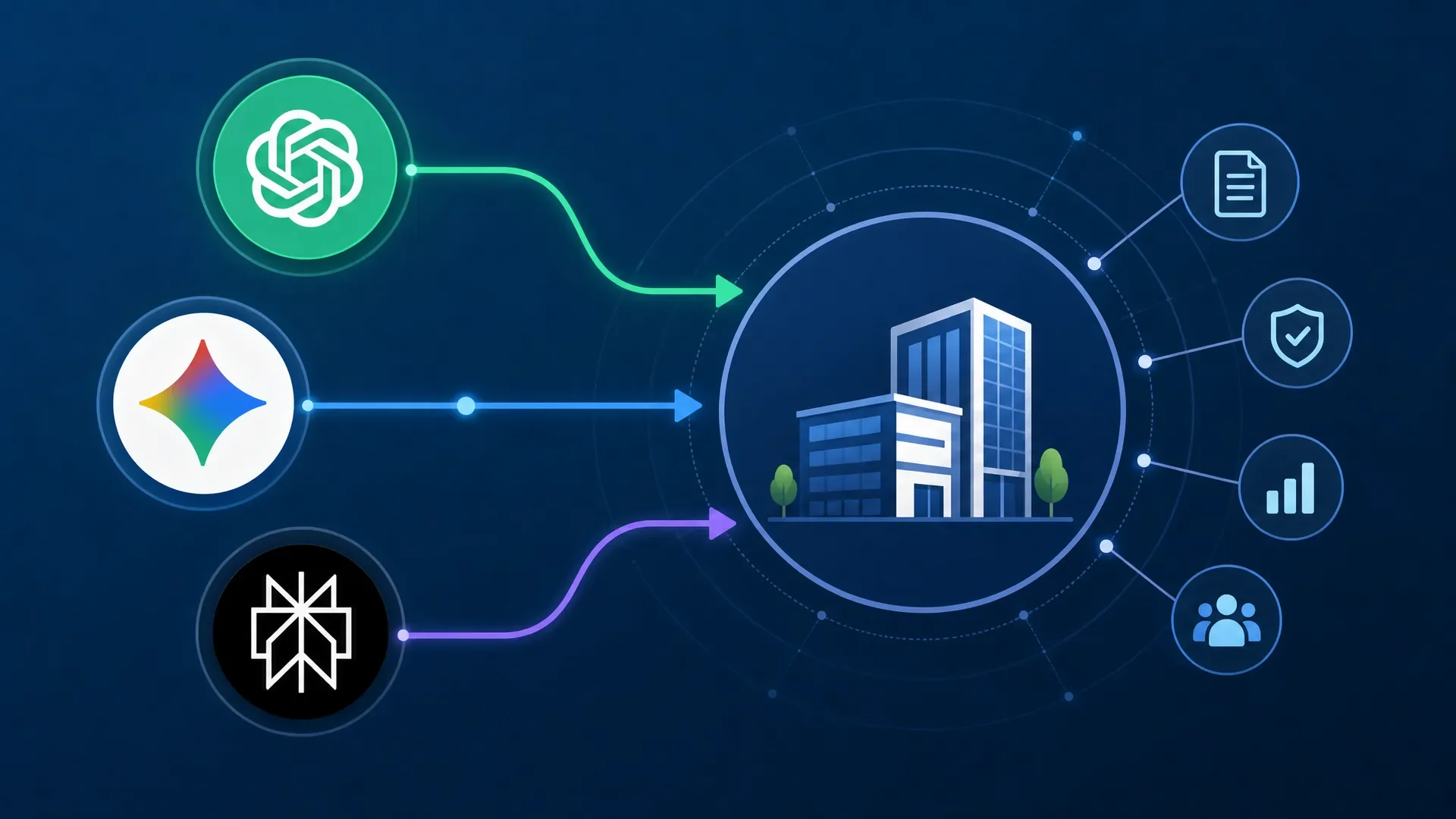
If you have been optimizing content for Google and now wonder how your brand shows up in ChatGPT, Gemini, or Perplexity, you are asking the right question. Generative engine optimization (GEO) sits at the intersection of traditional search and AI powered discovery. Wizrdom helps B2B brands bridge that gap by combining SEO foundations with structured, citation worthy content that AI models can surface confidently.
TL;DR - Summary
- What is GEO? - Generative engine optimization is the practice of structuring content so large language models (LLMs) like ChatGPT, Gemini, and Perplexity can cite your brand in their AI generated answers. It focuses on entity authority, structured data, and citation worthy content.
- How is GEO different from SEO? - SEO targets search engine result pages through keywords, backlinks, and technical performance. GEO targets AI generated answers by making content machine readable, factually authoritative, and semantically clear so LLMs select it as a source.
- Why do brands need both? - SEO drives organic traffic from traditional search. GEO ensures visibility in AI powered discovery channels. Together, they form a complete search visibility strategy that covers both click based and answer based user journeys.
What does GEO mean?
GEO stands for generative engine optimization. It refers to the process of making your content discoverable and citable by AI answer engines. These engines include ChatGPT, Google Gemini, and Perplexity, among others.
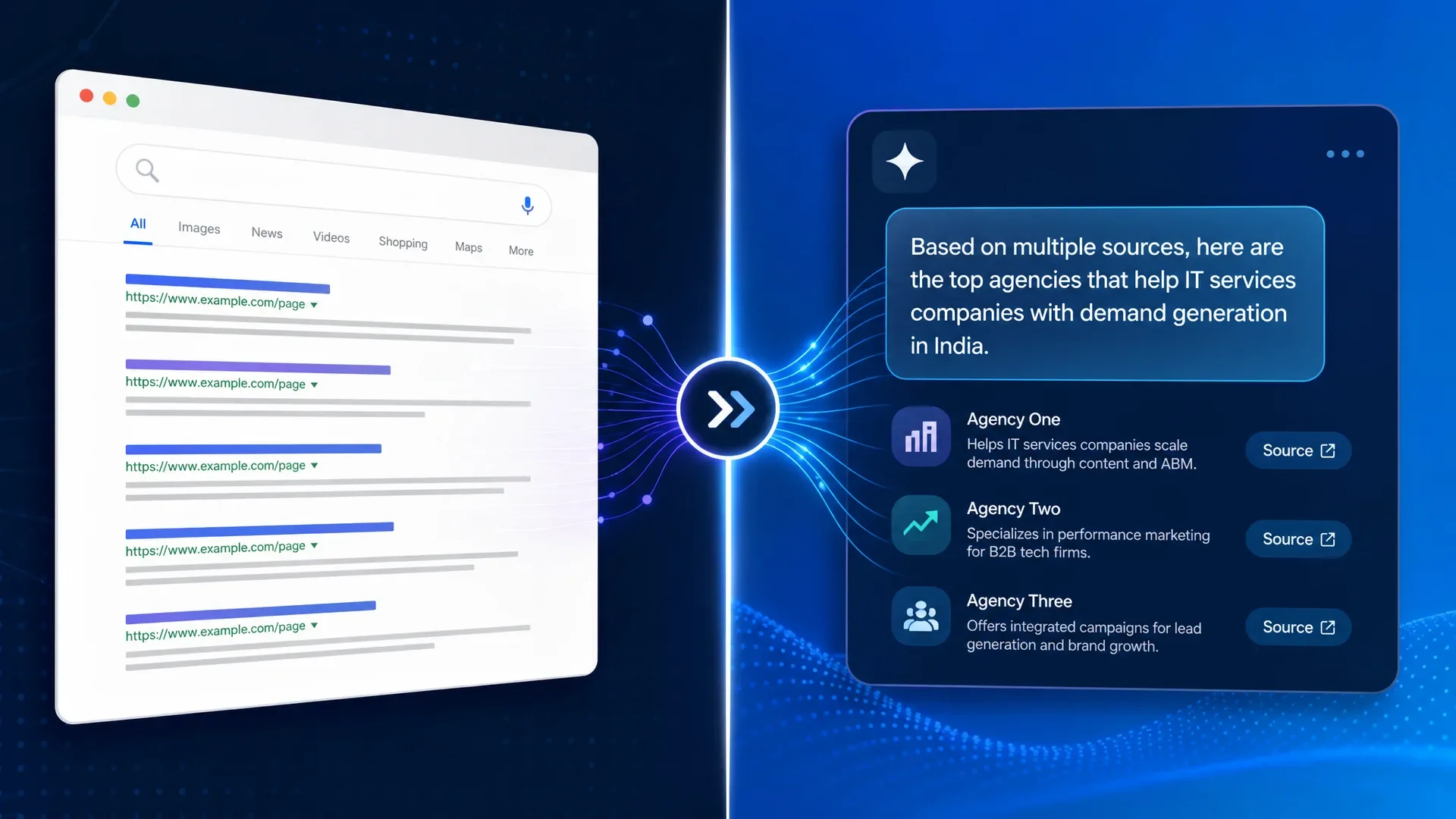
Unlike traditional search engines that return a list of links, generative engines synthesize answers from multiple sources. When a user asks a question, the AI model selects content it considers authoritative, well structured, and factually reliable. GEO is designed to help your content become one of those selected sources.
Wizrdom approaches GEO as a natural extension of content strategy. The goal is not to game AI models. It is to produce content with clear entity definitions, structured markup like schema, and answer oriented formatting that both search engines and LLMs can parse.
How is GEO different from SEO?
SEO focuses on ranking web pages in Google or Bing search results. It relies on keyword targeting, on page optimization, backlink profiles, technical SEO (site speed, crawlability, core web vitals), and content depth. The outcome is a clickable link on a search engine results page.
GEO focuses on a different outcome. Instead of earning a click, the goal is earning a citation or brand mention inside an AI generated answer. The content still needs to be authoritative and well written. But the emphasis shifts toward semantic clarity, entity optimization, question based content structures, and structured data that LLMs can extract cleanly.
Think of it this way. SEO can help your page rank for "demand generation strategy." GEO can help an AI model name your brand when a user asks, "Which agencies specialize in demand generation for B2B SaaS?" Both matter. They serve different moments in the buyer journey.
Wizrdom integrates both disciplines. Technical SEO ensures your site is crawlable and fast. Content strategy ensures your pages answer real questions with structured, factual depth. GEO layering ensures that same content is formatted for AI retrieval, with clear entities, topical authority signals, and citation ready structure.
Why B2B brands need GEO now
AI search adoption is accelerating. Decision makers in B2B increasingly use ChatGPT or Perplexity to research vendors, compare solutions, and shortlist agencies before visiting any website. If your brand does not appear in those AI generated answers, you lose visibility at the earliest stage of the buyer journey.
For B2B companies with long sales cycles, this matters. A prospect who sees your brand cited by an AI model gains trust before they ever land on your site. That early brand impression can influence which vendors make the shortlist.
Wizrdom's GEO services are designed to help B2B brands build this kind of AI search visibility. The approach combines answer engine optimization (AEO), semantic SEO, entity optimization, and structured content architecture. The result is content that performs across Google, ChatGPT, Gemini, and Perplexity simultaneously.
Brands that invest in GEO alongside SEO position themselves for both traditional organic traffic and the growing share of discovery that happens inside AI platforms. This integrated approach is what separates a complete visibility strategy from one that only covers half the landscape.
If your content already ranks well in Google, adding GEO practices (structured FAQ sections, clear entity definitions, schema markup, topical authority through content clusters) can extend that visibility into AI generated answers without rebuilding your entire content strategy.
FAQs
1. What is GEO in SEO and AI search?
GEO, or generative engine optimization, is the practice of structuring content so AI platforms like ChatGPT, Gemini, and Perplexity can cite your brand in their generated answers. It complements SEO by targeting AI discovery channels alongside traditional search results.
2. How is GEO different from SEO?
SEO targets rankings on search engine results pages through keywords, backlinks, and technical performance. GEO targets AI generated answers by focusing on entity authority, structured data, and citation worthy content that LLMs can extract and reference.
3. Can a brand do GEO without SEO?
GEO builds on SEO foundations like technical performance, topical authority, and structured content. Wizrdom recommends treating them as complementary disciplines. Strong SEO makes GEO more effective because AI models often draw from well ranked, authoritative sources.